
Reducing food waste at home is an effective way to save money, conserve natural resources, and lessen the environmental impact of discarded food. Every year, millions of tons of food end up in landfills, where it generates greenhouse gases as it decomposes. Fortunately, by adopting a few simple habits and strategies, you can make a meaningful difference right from your kitchen.
In this post, we will explore practical ways to reduce food waste at home through smart shopping, proper storage, creative cooking, and mindful consumption.
Plan Your Meals and Shop Wisely
One of the biggest causes of food waste is buying more than you need. Careful planning can help you purchase only what will be used.
– Make a Meal Plan: Before grocery shopping, plan your meals for the week. Include breakfast, lunch, dinner, and snacks. This gives you a clear list of ingredients needed.
– Check Your Pantry and Fridge: Take stock of what you already have to avoid buying duplicates.
– Create a Shopping List: Stick to your list in the store to prevent impulse buys that may go unused.
– Buy Smaller Quantities: Especially for perishable items, purchasing smaller amounts reduces the chance of spoilage.
Store Food Properly to Extend Freshness
Proper storage can significantly increase the life of your food and reduce spoilage.
– Keep Your Fridge Organized: Place new items behind older ones to use older foods first (first in, first out).
– Use Airtight Containers: Store leftovers or opened packages in airtight containers to keep food fresh longer.
– Understand Storage Needs: Some fruits and vegetables last longer when refrigerated, while others do better at room temperature. For example, tomatoes, onions, and potatoes should be kept outside the fridge.
– Freeze Excess Food: Freezing is an excellent way to preserve leftovers and bulk purchases like bread, meat, or prepared meals.
Serve Smaller Portions and Save Leftovers
Serving too much food on your plate can lead to uneaten meals being thrown away.
– Start with Smaller Servings: You can always go back for seconds if you’re still hungry.
– Use Leftovers Creatively: Transform leftovers into new meals, such as soups, salads, stir-fries, or sandwiches.
– Label Leftover Containers: Write dates on containers so you know when to use or freeze them.
Use Food Scraps To Reduce Waste
Many parts of fruits and vegetables can be used instead of tossed.
– Make Stock from Scraps: Save onion skins, carrot ends, celery leaves, and other vegetable scraps to make homemade broth.
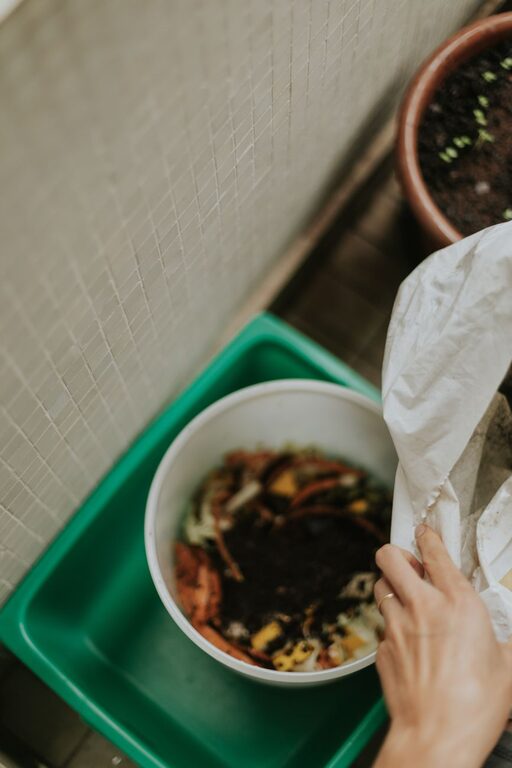
– Compost Food Waste: If cooking scraps can’t be eaten, composting is an eco-friendly way to recycle organic waste into nutritious soil.
– Get Creative with Peels and Stems: Citrus peels can be candied or used for zest, and broccoli stems can be chopped into stir-fries or soups.
Shop and Eat Seasonally and Locally
Eating seasonally and supporting local farmers can reduce waste caused by overproduction and long transport.
– Buy Seasonal Produce: These items are fresher, last longer, and often taste better.
– Visit Farmers Markets: Local produce tends to have less packaging and a smaller carbon footprint.
– Preserve Seasonal Surplus: Use canning, freezing, drying, or pickling to enjoy seasonal foods year-round.
Educate Household Members and Encourage Mindful Eating
Everyone in your household can contribute to waste reduction.
– Involve Everyone in Planning and Cooking: When family members participate, they appreciate food more and waste less.
– Teach Portion Control: Help kids learn to take what they can finish.
– Discuss the Impact: Share why reducing food waste is important for the environment and your budget.
Conclusion
Reducing food waste at home doesn’t require dramatic changes. By planning better, storing food properly, using leftovers wisely, and involving your household, you can prevent a lot of food from being wasted. These small steps add up to financial savings and a positive impact on the environment. Start with one or two tips today, and enjoy the benefits of a more sustainable kitchen.
Remember, every bit of food saved counts!