
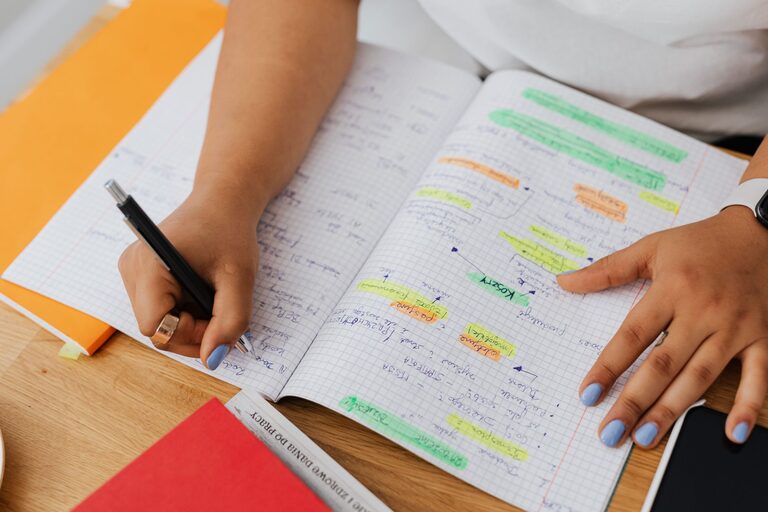
Choosing a notebook may seem like a simple task, but picking the right one can make a significant difference in how often you use it and how much you enjoy writing in it. Whether you want to jot down notes, plan your days, or express your creativity, the perfect notebook can become your trusted companion.
In this guide, we’ll explore practical tips to help you find a notebook you’ll actually use, making your writing experience more enjoyable and productive.
Understand Your Purpose
Before browsing through endless options, think about why you want a notebook. Your intended use will guide many of your decisions.
Common Notebook Uses
– Note-taking: For meetings, classes, or research.
– Journaling: Personal reflection, gratitude, or creativity.
– Planning: To-do lists, goal tracking, or daily scheduling.
– Sketching: Drawing or doodling.
– Project management: Organizing tasks and ideas.
By identifying your primary purpose, you can focus on notebooks designed for that function.
Choose the Right Size and Format
Notebook sizes vary widely, and size affects portability and writing comfort.
Popular Sizes
– Pocket (A6 or smaller): Easy to carry, fits in small bags or pockets, great for quick notes.
– Medium (A5): Balanced size, portable yet spacious enough for daily writing.
– Large (A4): Ideal for detailed notes or sketches but less portable.
Think about where you’ll use your notebook most often to determine size.
Binding Types
– Spiral-bound: Lies flat when open, convenient for writing on both sides.
– Hardcover: Durable and sturdy, protects pages well.
– Softcover: Lightweight and flexible but less durable.
– Stitched: Often elegant and durable but may not lay flat.
Each has pros and cons, so choose based on your writing habits.
Consider Paper Quality and Layout
The paper inside your notebook impacts your writing experience.
Paper Weight and Texture
– Weight (gsm): Higher gsm (80–120) means thicker paper, fewer ink bleed-throughs.
– Texture: Smooth paper suits fountain pens and fine-tip pens; rougher textures are good for pencils.
If you use markers or ink-heavy pens, thicker paper is better.
Page Layouts
– Lined: Great for writing and note organization.
– Blank: Ideal for sketches and freeform notes.
– Grid or Dot Grid: Perfect for bullet journaling, charts, and diagrams.
– Combination: Some notebooks offer mixed layouts.
Choose a layout that supports your style.
Think About Aesthetic and Motivation
The look and feel of a notebook can motivate you to use it regularly.
– Cover design: Choose something that appeals to your taste, whether minimalistic, colorful, or artistic.
– Personalization: Some notebooks allow you to add your name or custom covers.
– Extras: Pockets, bookmarks, elastic bands, or pen holders add convenience.
A notebook that feels good to hold and visually inspires you can become a joy to use.
Set a Realistic Budget
You don’t need to spend a fortune, but investing in quality matters.
– Affordable options: Many brands offer functional, well-made notebooks at reasonable prices.
– Premium notebooks: Often provide higher-quality paper and features but at a higher cost.
Consider how much you write and whether you’d value durability and special features.
Test Before You Commit
If possible, try writing in the notebook before buying.
– Check how the paper handles your preferred pen or pencil.
– Test the binding and see if the notebook lays flat.
– Feel the cover and size for comfort.
Some bookstores or stationery shops have display copies for testing.
Develop a System for Using Your Notebook
Once you’ve chosen your notebook, create habits that encourage consistent use.
– Keep it in your bag or workspace.
– Set small daily goals to write or plan.
– Use it alongside digital tools for a balanced approach.
This helps build a routine and makes the notebook an essential part of your day.
—
By following these tips, you can find a notebook that fits your lifestyle and writing style, turning note-taking or journaling into a satisfying and regular habit. Remember, the best notebook is the one you actually use!